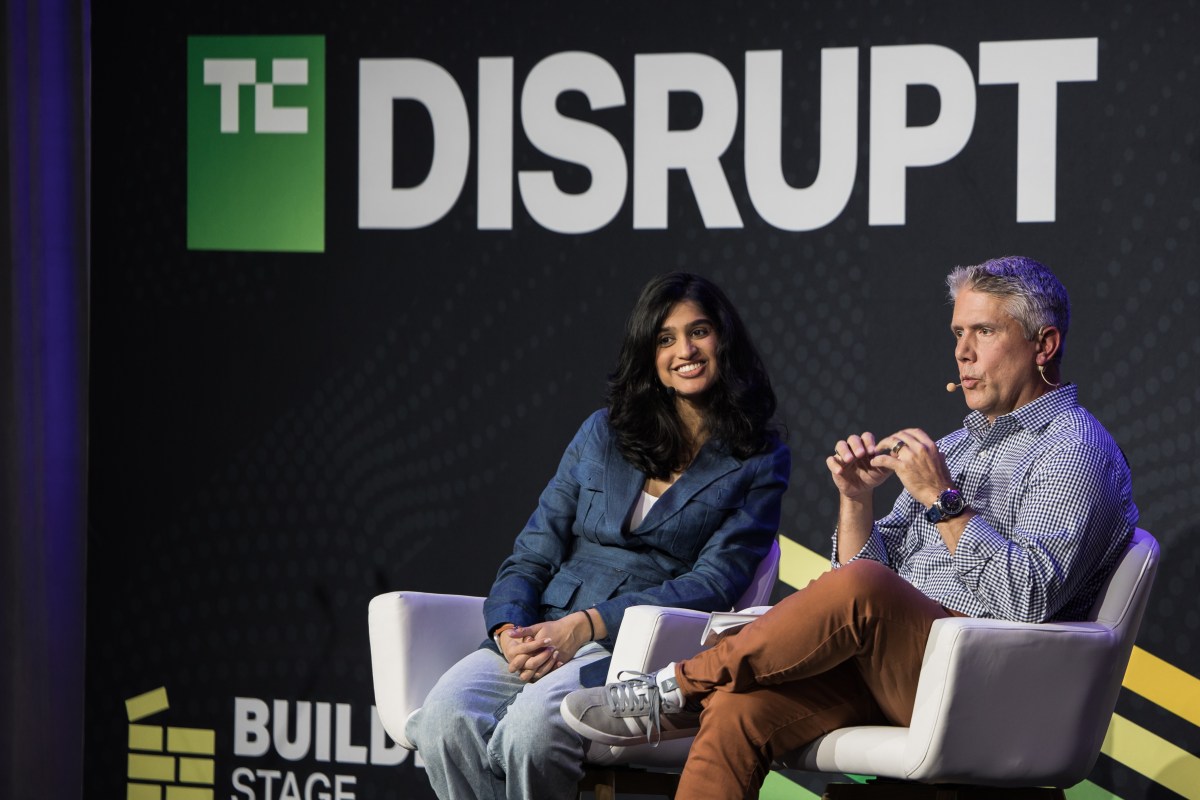
Canadian AI company Cohere and Germany's Aleph Alpha are merging to form a joint challenger to dominant US AI labs. The deal positions European and Canadian enterprise AI against Silicon Valley incumbents.
Two sovereign AI bets merge into one. German enterprise buyers lose an independent local option but gain a larger operator. Capability was never the constraint. Distribution is.
Dragon LLM CEO Olivier Debeugny argues Europe needs a frugal AI architecture built for industrial efficiency. He envisions a pan-European generative AI consortium modeled on Airbus.
A French AI startup is challenging OpenAI for European market position. The Economist profiles the company as a credible sovereign alternative to US-based frontier labs.
Capability is the entry ticket. Distribution is the prize. German Mittelstand buyers will not switch on ambition alone: they switch when compliance and support are local.
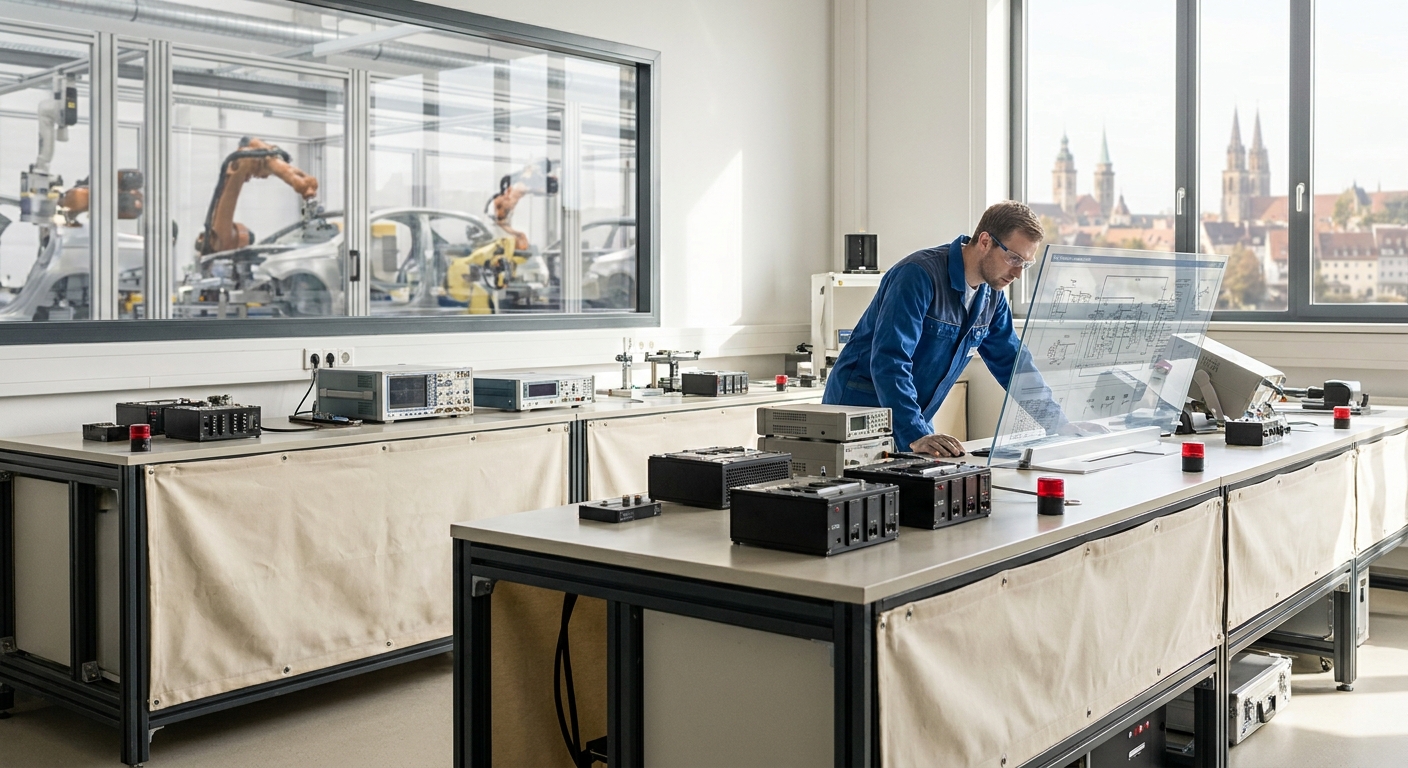
Germany's AI manufacturing market is projected to reach $10.50 billion by 2030, up from $2.14 billion in 2026. The 35.8% CAGR is driven by Industry 4.0 adoption, predictive maintenance, and smart factory integration.
Dragon LLM, a French startup, claims to have developed Europe's first original generative AI architecture. The design is described as frugal and transformer-based, targeting industrial deployment.
Europe has borrowed AI architecture for years. The question now is whether a French lab can turn a sovereign design into a distribution advantage that German industrial buyers will actually pay for.
Flexport is suing startup Freightmate AI, alleging former employees took shipment documents before launching a rival. The case centers on AI tools that classify, scrape, and cross-check freight paperwork across dozens of documents per shipment.
The dispute reframes the competitive moat in forwarding: not the AI tool itself, but the document datasets behind it. German Mittelstand forwarders face the same question, who controls the data their operators train on.
Google Cloud VP Darren Mowry says early infrastructure choices made on free credits carry unforeseen costs once startups scale. Tighter funding and rising cloud bills are forcing founders to show real traction sooner.
Free credits are the sample; the invoice is the product. Founders who treat infrastructure as a setup cost rather than an ongoing obligation pay twice.
Mistral AI founder Arthur Mensch has warned companies against building on proprietary AI models, arguing that providers increasingly store customer data and gain insight into business processes. He advises open systems, custom access rules, and independent AI training capability. THE DECODER reported the LinkedIn statements on July 5.
Mensch is talking his book, but the book has a real chapter for Germany: hidden champions run on process secrets, and every prompt into a closed model is a small disclosure. The fix is contractual and architectural, not emotional.
SAP has confirmed a Bloomberg report that it is curbing new hires, external spending, and internal travel to finance its AI expansion. New hiring will focus on selected AI-related roles while customer-facing work and critical AI initiatives stay fully funded.
A company does not cut travel to fund a hobby. SAP is treating AI as the survival line of its business model; its customers should read their own roadmap dependencies accordingly.
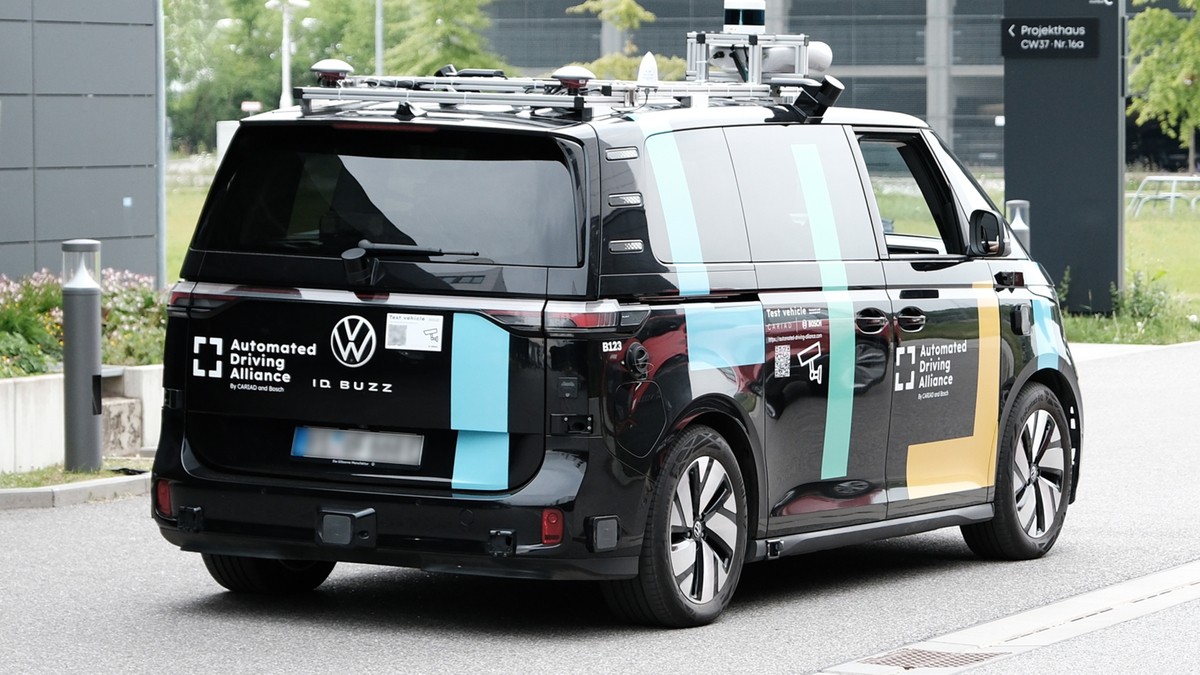
Volkswagen and Bosch have confirmed the end of their Automated Driving Alliance, the joint automated-driving program run through VW's software unit Cariad since 2022. Roughly 1.5 billion euros and over 1,000 experts went into the effort; both sides will now use the jointly developed AI software stack independently.
1.5 billion euros bought VW the knowledge that vertical integration in vehicle AI is beyond it. The strategic question is not the write-off but whose software stack now sits at the heart of German cars.
The GAIA-X European cloud infrastructure consortium has launched an AI model registry enabling organizations to discover and deploy AI models hosted exclusively on European infrastructure. The registry includes sovereign deployment guarantees, standardized model cards with EU AI Act compliance metadata, and interoperability certifications. Initial listings include models from Aleph Alpha, Mistral AI, and several European research institutions.
GAIA-X has struggled with relevance, but an AI model registry with EU AI Act compliance metadata is genuinely useful. Whether enterprises will choose sovereign models over OpenAI for compliance reasons alone remains the open question.
BMW has deployed custom-trained large language models across its German manufacturing plants for quality control documentation and defect analysis. The system processes inspection reports, sensor data narratives, and technician notes to identify quality trends before they reach production scale. BMW reports a 23% reduction in quality-related line stoppages since deployment, with plans to extend the system to its global manufacturing network.
A 23% reduction in line stoppages is real money — potentially tens of millions in saved production costs annually. This is the unglamorous but high-value AI use case that German industry is uniquely positioned to scale.
Munich-based Helsing AI has raised €450 million in one of the largest European AI funding rounds, valuing the defense-focused company at over €5 billion. The company develops AI systems for military surveillance, threat detection, and autonomous defense operations. The round was led by General Catalyst with participation from Spotify founder Daniel Ek. Helsing operates across Germany, France, and the UK with NATO-compliant security clearances.
€450M for defense AI signals that European VC is no longer squeamish about military applications. Helsing's cross-border NATO structure could become a template for how European defense tech scales without being locked to one country.